

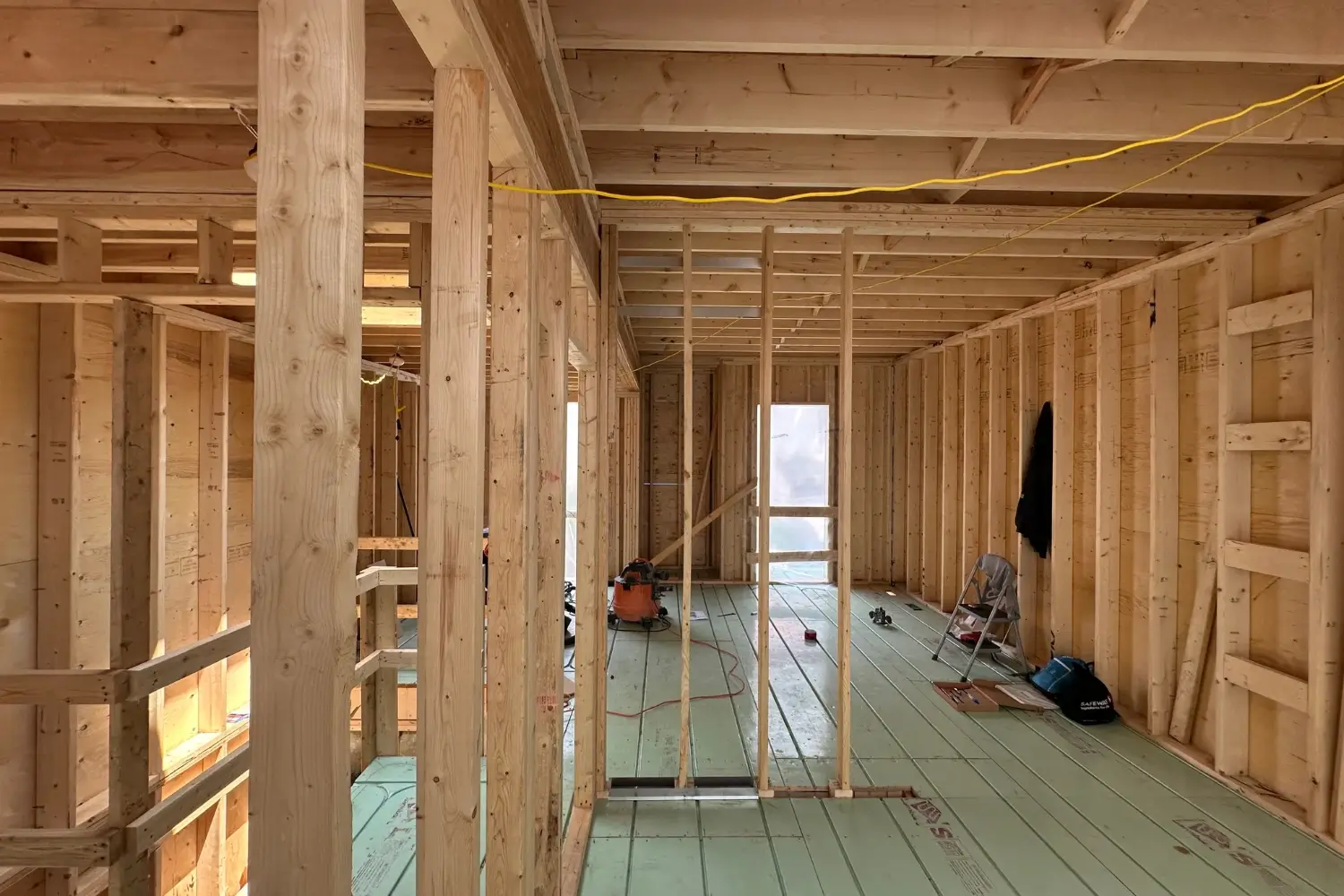
Toronto Building Inspections: Why, When & How?
A building inspection in Toronto is a City review of completed construction stages to confirm the work matches your approved permit and the Ontario Building Code. You book inspections through the City of Toronto after your building permit is issued, and each required stage must pass before the next begins. Acadia Drafting prepares the permit drawings your project needs across Toronto and the GTA.
(A Friendly Guide from Your Experts at Acadia Drafting)
Hey there! Planning a renovation or a new build in Toronto or the GTA? That’s exciting! You’ve got the vision, maybe you’ve even got the final blueprints from us. But before you start tearing down walls or pouring concrete, we need to chat over a metaphorical cup of coffee about one absolutely non-negotiable step: Building Inspections.
We know it sounds dry. But trust us, navigating and applying for Building Permits correctly is the difference between a smooth project and one filled with costly delays, fines, and headaches when you try to sell your home later. Consider this your cheat sheet from your friends at Acadia Drafting.
What Are Building Inspections? Why Are They a Legal Requirement?
Imagine you’re baking a cake, and you have a recipe (that’s your permit drawing). Now, an inspection is like having a master chef check your batter and oven temperature at critical stages, not just waiting until the finished product is burned!
In Toronto, Building Inspections are mandatory checks conducted by an official Toronto Building Inspector. They serve one simple, yet critical, purpose: to ensure that the work being done on your site exactly matches the approved drawings and, most importantly, complies with the Ontario Building Code (OBC).
Why It’s Not Optional: The Law and Your Safety
Building inspections are not a suggestion; they are a legal requirement under the Building Code Act.
- Safety First: The OBC contains thousands of rules designed to protect you, your family, and future occupants from things like structural failure, fire hazards, and unsafe electrical or plumbing systems. An inspection confirms that your home is safe, sound, and up to modern standards.
- The Paper Trail: The inspection process creates a legal record that the work was done correctly. This is incredibly important for insurance claims and, as you’ll see later, for any future real estate transactions.
Essentially, when you get a permit, you agree to have these mandatory checks done at the critical moments of construction.
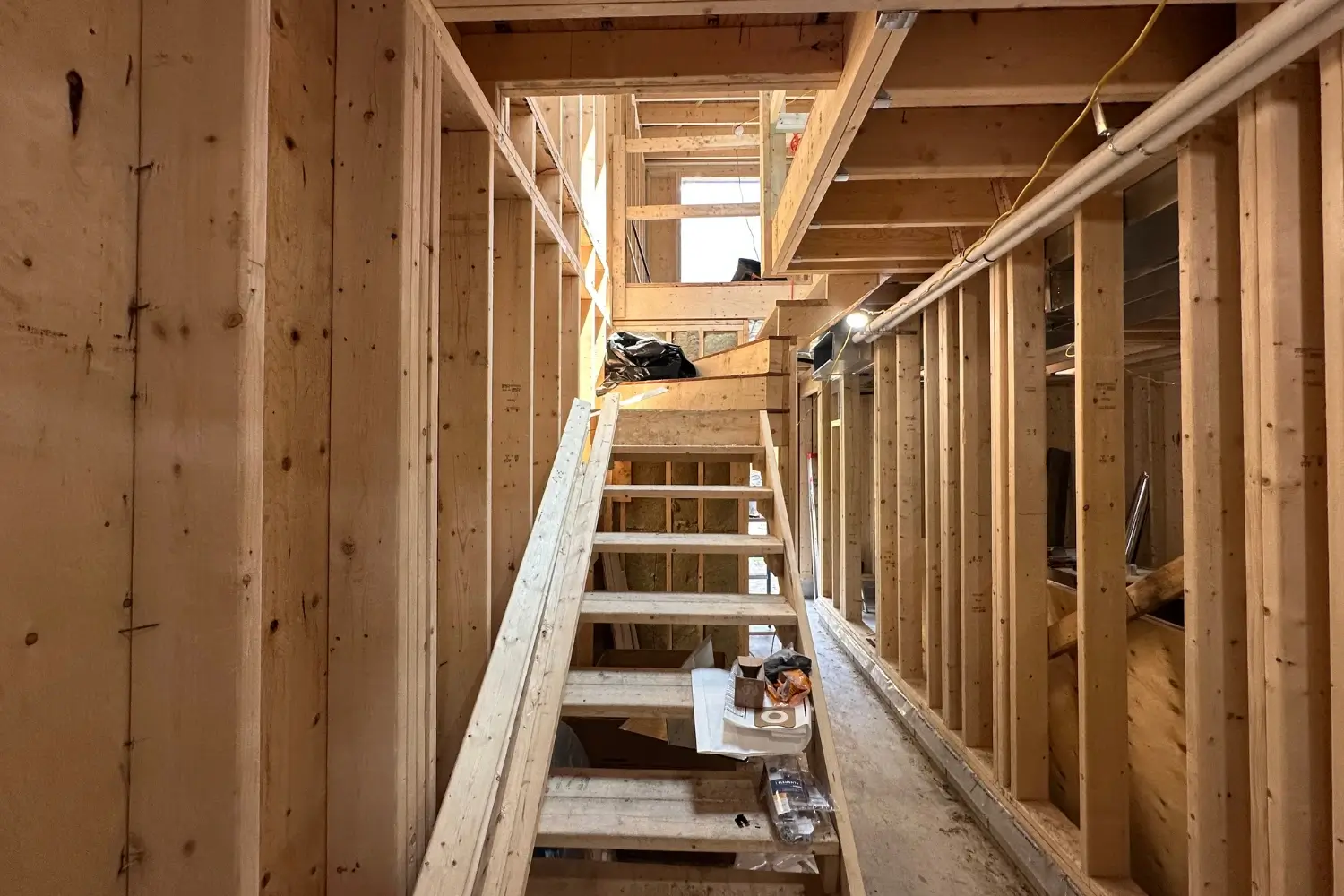
Stages of Construction You Need to Book Inspections
This is where the rubber meets the road! Remember, you, the property owner or the builder, are responsible for notifying the city when your project is ready for each check. Get this timing right, and the rest of your project flows smoothly.
The Golden Rules of Scheduling:
- Timing: Inspections happen within two business days of your request.
- Visibility: The part of the work being inspected MUST be visible. If you cover up plumbing or framing before it passes, the inspector will issue an order to stop work and make you uncover it (i.e., tear down the drywall). Don’t let that happen!
- Drawings: A full-scale, coloured print of the stamped permit drawings must be available on site for the inspector.
Breakdown Of The Required Inspections:
Here is a breakdown of the required inspections, from the moment you break ground until the structure is ready to enclose:
1. Footings Inspection
This is your starting point! You must call the inspector when the forms (the wooden or metal structures that hold the concrete) are completely built and ready to pour, but before any concrete is placed. The inspector checks that your footings are the correct width, depth, and have the required reinforcement (rebar) as shown on the approved drawings. This ensures a solid base for the entire structure. You can’t build a house on shaky ground!
2. Foundations Inspection
Once the footings have cured, the foundation walls go up. You call for this inspection when the walls are complete and ready for backfilling. The inspector will check the height, thickness, any required structural reinforcement, waterproofing (damp-proofing), and essential drainage systems (like weeping tile) to protect your basement from moisture.
3. Structural Framing Inspection
This is one of the most exciting checks, as it verifies the entire skeleton of your building! You call for this when all structural members – studs, beams, floor joists, and roof trusses – are complete. (If you’re working on a large, multi-storey building, this inspection is often required for each storey as it goes up.) They verify the integrity and proper connections of the structure, often checking rough-in mechanical systems (plumbing, HVAC) that run inside the walls at this stage, too.
4. Fire Separations & Closures Inspection
This check is crucial for safety and happens when the framing for all wall, floor, and shaft fire separations (like the wall between your house and garage, or a utility shaft) is installed, before applying any interior finishes. They confirm the proper installation and continuity of materials designed to stop the spread of smoke and fire, including special fire-stopping sealants placed around pipes and ducts that penetrate these critical barriers.
5. Insulation & Vapour Barrier Inspection
Once the structure is safe, we check for energy efficiency and moisture control! You call for this when both the insulation and the continuous vapour/air barrier are fully installed, but before installing your interior services like electrical boxes or wall coverings. They ensure the materials are installed correctly to keep your home warm, dry, and compliant with modern energy standards.
6. Plumbing Rough-in Inspection
This check happens when all interior plumbing components (drains, waste, vents, and water supply lines) are complete and ready for testing. The inspector verifies pipe sizing, slope, and connection points, often requiring a water or air pressure test to ensure there are absolutely no leaks hiding behind the walls before they are closed up.
7. Life Safety Systems (For Large Projects)
For large or complex Part 3 buildings (like commercial spaces or multi-unit residential), specialized safety systems are required. This check occurs after the rough-in for things like standpipe, sprinkler, fire alarm, and emergency lighting systems. Due to the complexity, the inspector often refers this component to Toronto Fire Prevention for a dedicated assessment.
8. Occupancy (Consult Your Inspector)
This is a special case. If you need to occupy a completed section of an unfinished building (say, you finish the main floor but the basement isn’t done), you need approval first. The structure must meet specific Ontario Building Code standards for safe partial occupancy. You must submit an Authority to Occupy application and get explicit approval before moving in or using that space.
9. Final Interior & Exterior Inspections
The grand finale! You call for this when all construction work authorized by the permit is 100% complete. The inspection covers two areas:
- Interior: Checks remaining fixtures, final finishes, and verifies all previous deficiencies found have been corrected.
- Exterior: Checks the final grading, site finishes, fire routes, and ensures compliance with zoning for elements like parking and landscaping.
If you are undertaking a larger project, the inspector may also require a Site Meeting at the start of construction to discuss complex or special systems like pools or window washing equipment. When in doubt, call your inspector!
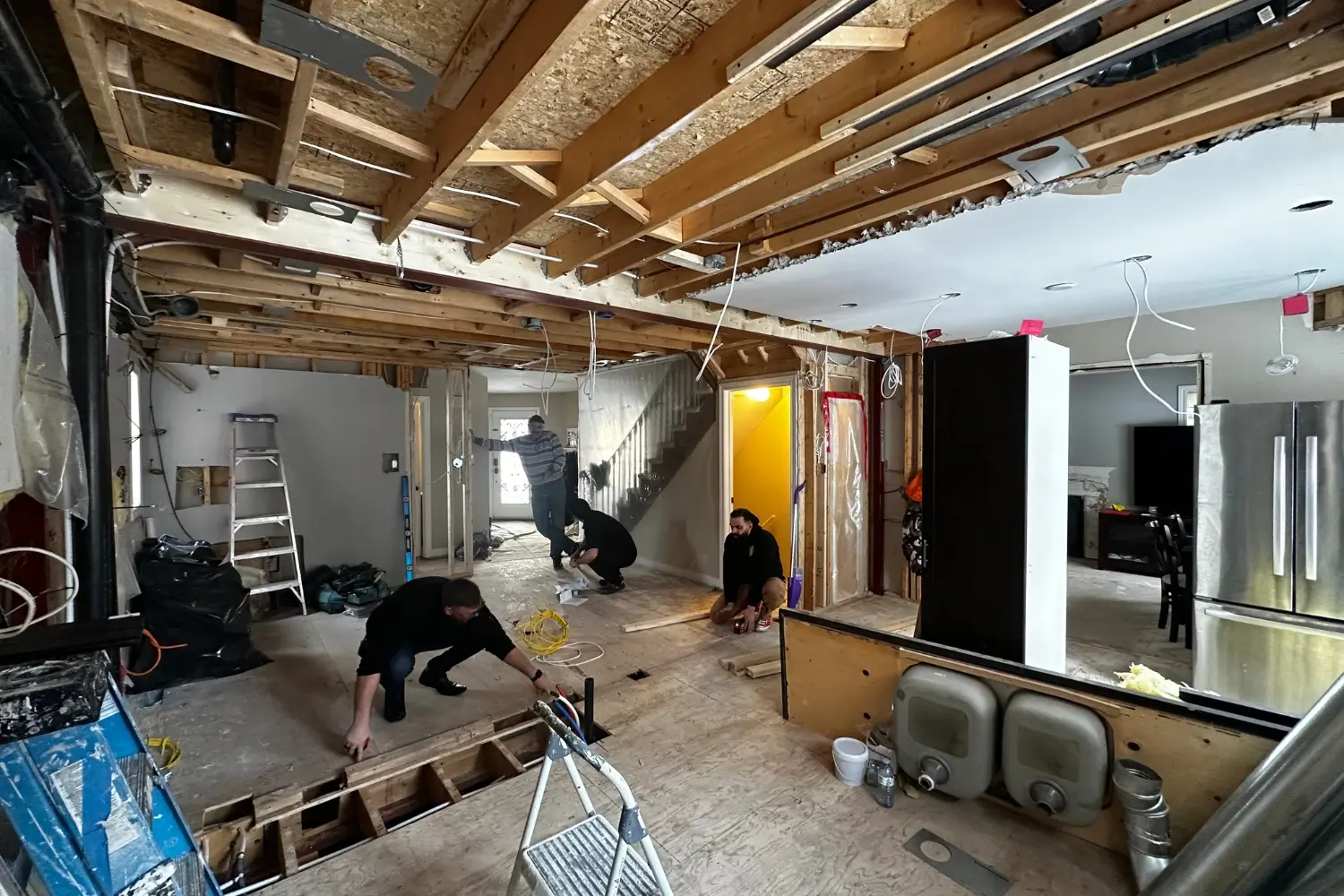
Inspections to Close Your Building Permit
The absolute final step is often the most forgotten, leading to the biggest problems!
When you finish construction, your permit is still open until an inspector signs off on a Final Inspection. This simple sign-off confirms that all work is compliant, safe, and meets the OBC.
The Nightmare of the Open Permit
Failing to close your permit can create significant, avoidable issues down the road:
- Selling Your Home: Open permits may delay or complicate real estate transactions. Lawyers for the buyer or their lender may advise against closing the sale until the permit is officially closed, forcing you to scramble.
- Getting New Permits: Toronto Building may require you to resolve the old open permit first before they will even look at your application for new work.
- The Revocation Threat: If your permit is over 18 months old and no inspections have been requested, the city will issue a Notice of Intention to Revoke. This is a serious legal notice that can lead to permit revocation and being considered in violation of the Building Code Act.
What to do: Always schedule that Final Inspection immediately upon completion of the work. If you discover a permit was left open by a previous homeowner, you are still the current owner and must schedule the final inspection to close it!
How To Book Your Inspections
Once your project stage is complete and ready for the inspector’s eye, the final step is to actually make the call! Remember, your contractor or you, as the property owner, must initiate this process. The City won’t just show up.
Here’s the step-by-step for booking:
1. Know Your Timing
Toronto Building Inspectors operate Monday to Friday, from 8:30 a.m. to 4:30 p.m. (excluding statutory holidays). They adhere to a tight schedule:
- When to Request: You can request an inspection starting from the next business day up to four weeks in advance.
- The Follow-up: The inspector assigned to your project will contact you on the specific date you identified for the inspection. They will call to schedule the actual site visit for either the same day or the following day. So, make sure your phone is charged, and you’re available!
2. Use the Official Channels
The quickest and most efficient way to book is usually online:
- Online Portal: You should use the official Request an Inspection portal on the Toronto Building webpage. This is the streamlined process that allows you to specify the exact inspection type and date needed.
- By Phone: If you prefer to call or have complex questions, you can reach Toronto Building Inspections at 416-397-5330 (Monday to Friday, 8:30 a.m. – 4:30 p.m.).
3. Preparation is Key!
The actual booking is only half the battle. When the inspector arrives, you must be prepared to avoid having the inspection fail on a technicality:
- Drawings on Site: This is crucial! You must have a full-scale, coloured print of the stamped permit drawings available on site, along with any other official documents issued as part of the permit. If the drawings aren’t there, the inspector can refuse the inspection.
- Access: Ensure the inspector can easily and safely access the specific part of the work that needs checking.
- Visibility: Reiterate to your crew that the element being inspected must not be covered. If they seal up the wall before the rough-in is approved, the work will have to be uncovered!
By following these simple steps, you ensure that the inspection process flows smoothly, keeping your project on track and avoiding those dreaded delays.
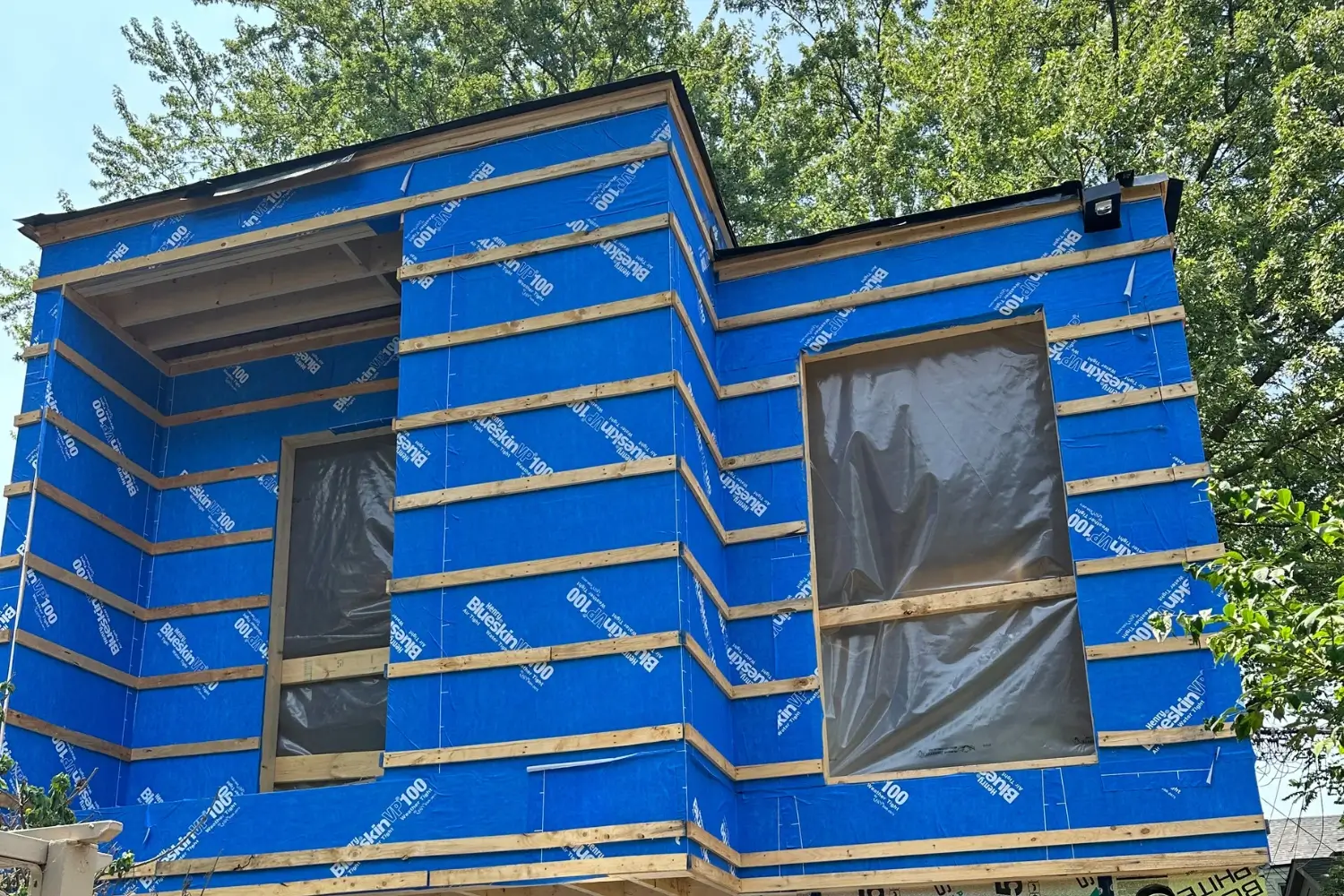
Consequences of Not Booking the Required Building Inspections
Let’s be honest: when construction is done, the last thing anyone wants to do is deal with more bureaucracy. But skipping that final, mandatory inspection is one of the most financially and legally risky mistakes a property owner can make. We call these Open Permits, and they create problems that far outweigh the brief time it takes to schedule that final check.
1. The Real Estate Headache: Goodbye, Smooth Closing
An open permit is a major red flag in a real estate transaction. Why? Because it tells a potential buyer and their mortgage lender that the work on your property is uninspected and potentially unsafe.
- Devaluation: Buyers often negotiate for a lower price or demand a holdback (money set aside) to account for the risk and cost of resolving the open permit.
- Closing Delays: The buyer’s lawyer will often advise their client not to close the sale until the permit is officially closed. This can delay your closing for weeks or even months, costing you stress and potentially killing the deal entirely. You’ll be scrambling to hire engineers and schedule emergency inspections just to satisfy the buyer.
2. Legal Enforcement and Fines
The City of Toronto takes compliance seriously. If you have an uninspected, open permit, you face increasing legal pressure:
- The Revocation Threat: If your permit sits dormant – meaning it is more than 18 months old and no inspections have been requested – Toronto Building will issue a Notice of Intention to Revoke. This is a very serious legal notification that starts a countdown. If you fail to respond by the deadline, your permit is officially cancelled.
- Orders to Comply: If uninspected work is discovered, and it doesn’t meet safety requirements, the city can issue an Order to Comply. This legally forces you to stop work and hire professionals to correct the deficiencies. Failure to comply can escalate to legal action and significant fines levied against you, the property owner.
- Violating the Act: If your permit is revoked and you continue construction, or if you build without a permit, you are in violation of the Building Code Act and the Toronto Municipal Code. This is not a risk worth taking.
3. Costly Uncovering and Re-Work
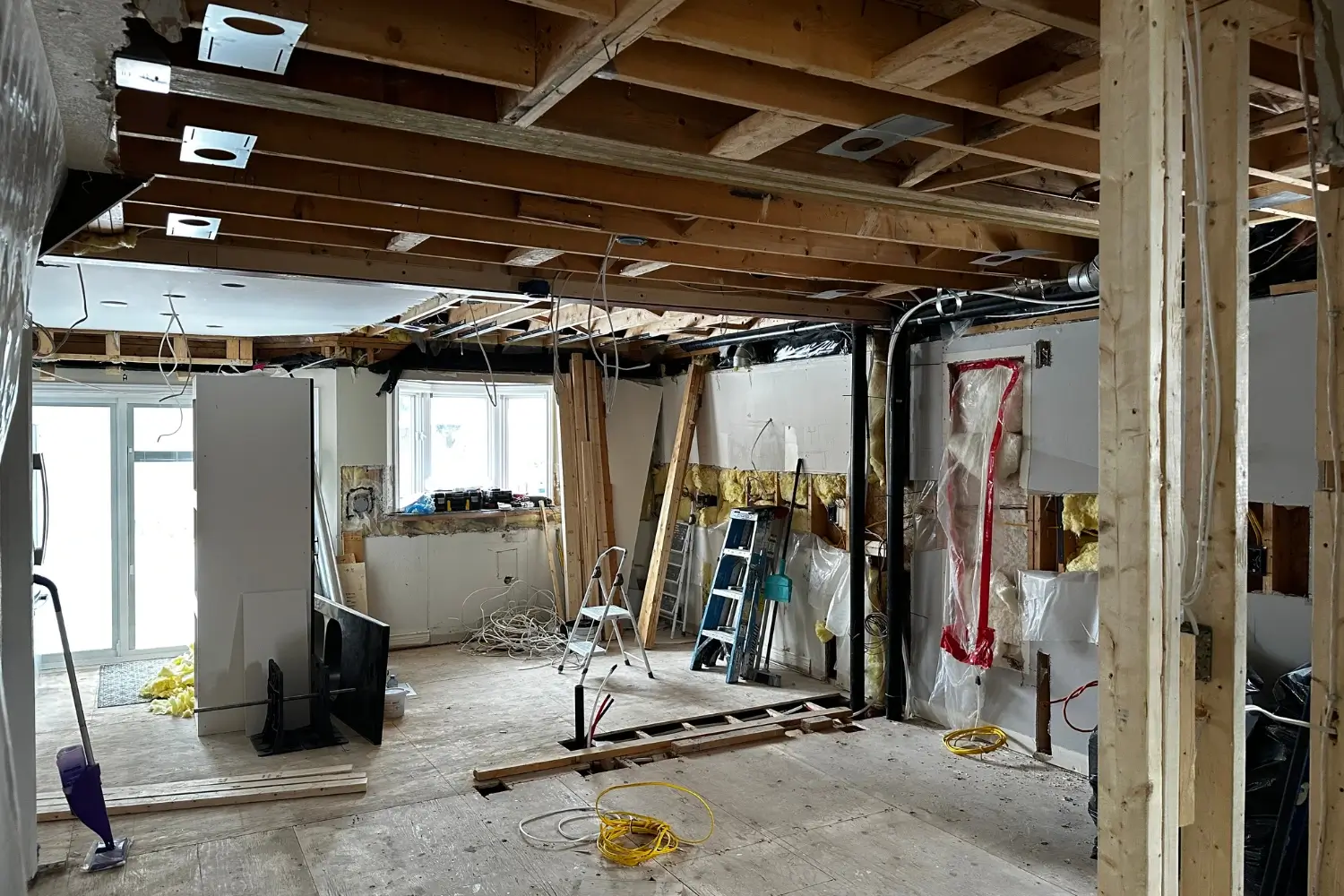
Remember the Golden Rule of Visibility? If you get an inspection request out of sequence – say, you forgot to call for the structural check, and now the framing is covered with drywall – the inspector has the full authority to demand that the work be uncovered.
This means tearing down finished drywall, exposing electrical and plumbing, paying your contractor for the demolition, and then paying them again to rebuild it after the inspection passes. This single mistake can add thousands of dollars and weeks of delays to your project schedule.
4. Difficulty with Future Projects
If you apply for a new building permit years down the road, Toronto Building may require you to resolve the outstanding older permit first. You could find your new project completely stalled because of a paperwork mistake from a renovation long past.
The Bottom Line: A closed permit is proof of safety, compliance, and professionalism. It protects your property value and eliminates all these risks. As your expert permit drafters, we ensure your plans are flawless; scheduling those inspections is the necessary next step to finish the process properly.
The Acadia Drafting Advantage
This is why starting with a professional permit drafting service like Acadia Drafting is your first line of defence. We don’t just draw pretty pictures; we create flawless, detailed permit drawings that:
- Anticipate Inspection Needs: Our drawings contain the level of detail that inspectors expect, reducing the chance of on-site questions or rejections.
- Minimize Delays: Correct drawings mean a smoother permit approval process, letting you get to the construction stage (and inspection stage) faster.
- Protect You Legally: Our stamped plans serve as the professional documentation you need to have ready on site for every single inspection.
Don’t let the technical process overwhelm you! Get it right from the start.
Ready to secure your project with compliant, inspection-ready plans? Contact Acadia Drafting today and let’s turn your vision into a safe, legal reality!
Official Toronto inspection links
Toronto Building says inspections are mandatory to confirm work complies with the Building Code Act and the issued permit. The City also notes that property owners must schedule a final inspection to close the permit, and that open permits can complicate future real estate transactions or future permit applications.
- City of Toronto: Building inspections
- City of Toronto: Request a building inspection
- City of Toronto: Building permit review streams
- Acadia Drafting: Building permit drawings and support
Acadia tip: Keep the permit notice and approved drawings on site. If site work changes from the approved drawings, speak with your designer before inspection so revisions can be handled before they create avoidable delays.