

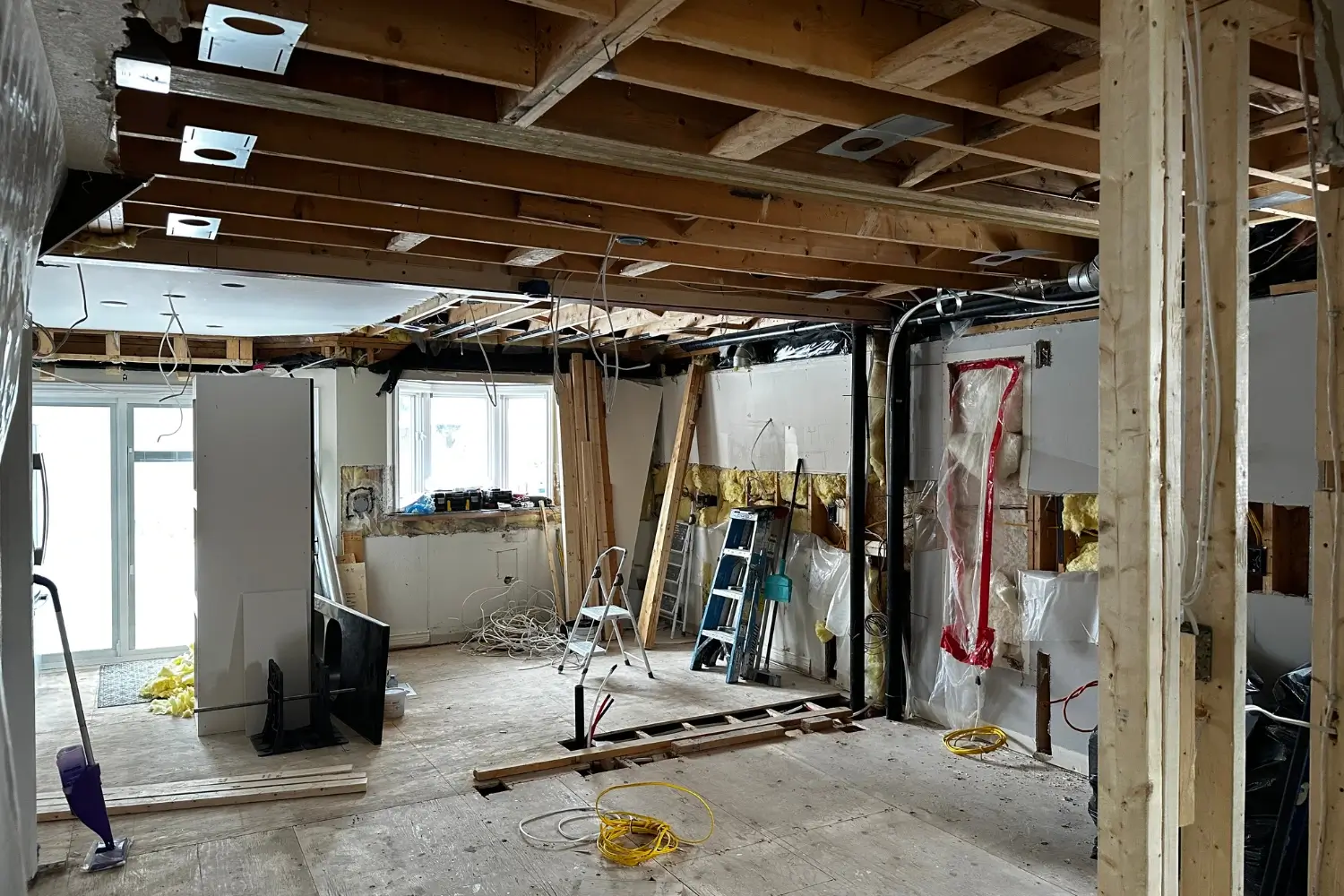
Why Was Your Toronto Permit Denied (And How To Fix It)
Getting a building permit in Toronto can feel like a huge milestone. You’ve spent weeks preparing drawings, filling out forms, and paying fees. Then, suddenly, you get the email that makes your heart sink. “Your Permit Has Been Denied.”
It’s overwhelming. Panic sets in. You wonder, Did I do something wrong? How long will this delay me?
Take a deep breath! You’re not alone. Permit denials happen to homeowners, contractors, and even seasoned builders. And almost every rejection is fixable… if you know exactly what to do.
At Acadia Drafting, we’ve helped hundreds of Toronto property owners navigate denied permits. This guide is your complete roadmap, written in plain language, full of examples, scenarios, and step-by-step instructions, so you can understand why your permit was rejected and how to fix it.
Top 6 Reasons Why Your Building Permit Was Rejected
While every application is unique, most denials fall into six main categories:
- Incomplete or inaccurate drawings
- Zoning & bylaw conflicts
- Missing documentation
- Change of use without approval
- Unlicensed or unqualified designers
- Violation of historical or conservation rules
Let’s break each one down with scenarios, what it means for your project, and exactly how to resolve it.
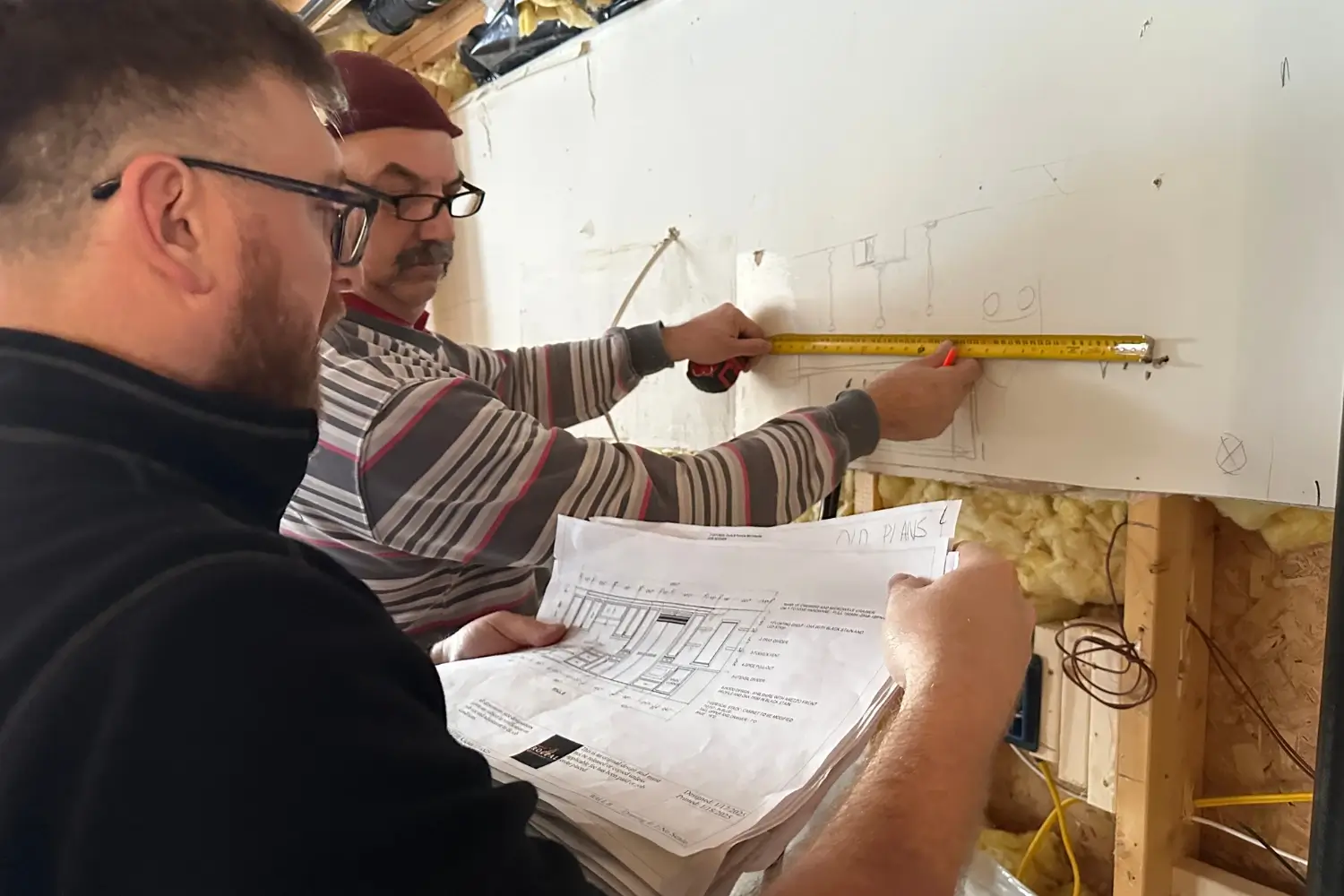
1. Incomplete or Inaccurate Drawings
Toronto Building reviewers are very strict when it comes to permit drawings. Even a small inconsistency or missing detail can lead to outright rejection. It’s not just about aesthetics. These drawings are the City’s roadmap for safety, code compliance, and constructability. One mislabeled measurement or an absent floor plan can stall your project for weeks or even months.
Common Drawing Mistakes:
Here are the most frequent errors we see, even from experienced contractors:
- Floor plans missing key details: wall types, door swings, window sizes, room dimensions, or stair layouts
- Elevations that don’t match floor plans: reviewers notice if the front elevation doesn’t match interior layouts
- Missing cross-sections or structural details: beams, columns, load-bearing walls, and roof structures often get overlooked
- Absent HVAC, plumbing, or mechanical drawings: even if the structural and architectural drawings are perfect, missing mechanicals can trigger rejection
- Outdated design codes: using older versions of the Ontario Building Code, fire safety, or energy efficiency standards
- Drawings not signed or sealed: Toronto requires licensed professional seals for most residential and all commercial applications
- Contradictory measurements: for example, the main floor height is 9 ft on the plan but 8 ft in the section. These small errors are immediately flagged
Why This Happens
Many applicants assume that if their design “looks right,” the drawings are good enough. But Toronto’s reviewers follow a strict checklist: every measurement, annotation, and reference must align perfectly. Even simple misalignment between drawings can make the City question the structural integrity of your project.
How To Fix It
- Work with a licensed designer or architect: Professionals familiar with Toronto’s permit requirements can catch errors before submission.
- Check for consistency across all sheets: Make sure floor plans, elevations, and sections match exactly.
- Include all mechanical, electrical, and structural details: Don’t assume reviewers will “fill in the gaps.” Missing details are an automatic red flag.
- Ensure drawings are sealed, signed, and dated: Outdated or missing seals are a common reason for rejection.
- Submit a complete set: Avoid patching missing pages. A clean, cohesive set reduces back-and-forth and speeds approval.
Pro Tip from Acadia Drafting
We often rebuild rejected drawing sets from scratch instead of patching small errors. It may sound like more work. But in reality, it saves time and prevents repeated back-and-forth with the City. This method ensures that every sheet is perfectly aligned, fully annotated, and fully compliant, so your permit moves from “Rejected” to “Under Review” quickly.
2. Zoning & Bylaw Conflicts
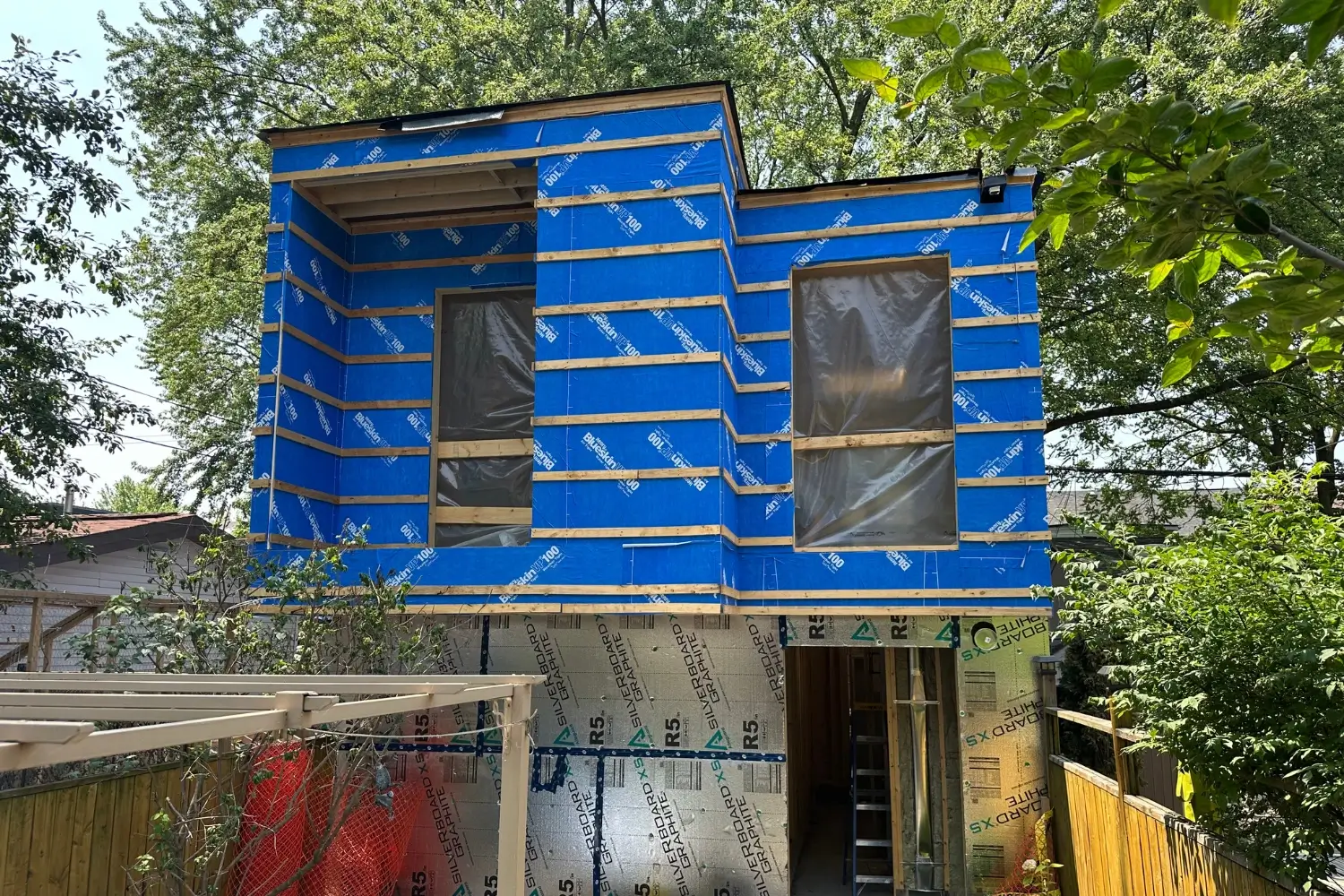
Even if your drawings are flawless, your permit can still be denied if your project doesn’t comply with Toronto’s zoning bylaws. These rules aren’t just suggestions. They are legal limits on what you can build, how tall it can be, how much of your lot it can cover, and even where structures sit in relation to your neighbours.
Common Zoning Issues Include:
- Building too close to a lot line or easement
- Adding structures like decks or garages that project beyond permitted limits
- Exceeding maximum floor area or lot coverage
- Adding a second unit without meeting parking requirements
Why This Happens
The tricky part is that zoning isn’t always obvious. Even small renovations can run into conflicts if your property is on a corner lot, has unusual setbacks, or is subject to neighbourhood-specific restrictions. This is why many Toronto homeowners are surprised when their seemingly simple project is denied.
For example, imagine you’re in Etobicoke planning a modest 6-foot kitchen extension. On paper, it looks perfect. But when you check the side yard setback, you realize the bylaw requires 1.2 meters, and your design only provides 0.9. Even a seemingly small discrepancy like this can trigger an automatic rejection. Suddenly, a simple extension turns into a weeks-long revision process.
Toronto’s zoning rules also govern lot coverage and height restrictions. A homeowner in midtown Toronto once submitted plans for a rooftop deck that exceeded the neighbourhood’s height limit by 0.5 meters. The City didn’t hesitate… it rejected the application immediately. They don’t just consider the building itself. They evaluate the project’s impact on surrounding properties and the streetscape.
How To Fix It
Start by reviewing your property’s zoning designation. Toronto provides detailed zoning maps and bylaw summaries online, but navigating them can be confusing. If your design doesn’t fit the existing rules, you have options:
- Adjust your design to meet setbacks, height, and coverage limits. Often, small tweaks to your layout can make a big difference.
- Apply for a Minor Variance through the Committee of Adjustment. This is essentially asking the City for permission to deviate from the rules. Include detailed drawings, surveys, and a letter explaining why the variance is necessary.
- Coordinate early with professionals. Licensed designers, architects, and permit expediters know how to anticipate zoning conflicts before you submit. At Acadia Drafting, we often catch these issues during the initial design stage, saving weeks of delays.
Zoning conflicts can feel intimidating! Especially if you didn’t know about them until the rejection notice arrived. But with a careful review and professional guidance, most conflicts are resolvable without derailing your project. Think of it as a roadmap. Once you know the limits, you can adjust your design confidently and get back on track.
3. Missing Documentation
One of the most common reasons Toronto building permits get denied is surprisingly simple… missing paperwork. Yes, even if your drawings are perfect and zoning is in order, a single missing form, signature, or PDF can halt your project.
Common Missing Documents:
Here’s what the City often looks for:
- Property survey or proof of lot ownership
- Complete application forms (signed and dated)
- Professional seals (architect, designer, or engineer)
- HVAC, plumbing, and structural certifications
- Site grading plans or energy efficiency documentation
- Supporting schedules for fire safety, mechanical systems, or accessibility
Why This Happens
Toronto’s Building Division is strict about documentation. They want everything complete, accurate, and submitted exactly as requested. This includes not just architectural drawings, but also surveys, schedules, professional seals, and proof of ownership. Forget one item, and your application can be placed “On Hold” or outright rejected.
For instance, a homeowner in North York submitted a permit for a basement renovation. The floor plans and structural details were flawless. But they forgot to include the property survey showing lot lines and easements. The City flagged the application immediately. The homeowner had to track down an updated survey, submit it, and wait another three weeks for review. What could have been a one-week approval stretched into a month-long headache.
How To Fix It
- Create a submission checklist: Before submitting, ensure you have every required document listed on Toronto’s building permit portal.
- Double-check professional seals and signatures: Missing or outdated stamps are an automatic red flag.
- Ensure file naming and format compliance: Toronto’s ePlan system can reject PDFs with incorrect names or corrupted files.
- Include all supporting schedules and forms: Even minor omissions, like missing mechanical schedules, can trigger rejection.
- Consult a professional if unsure: Permit specialists, like Acadia Drafting, can review your submission package before it goes in, catching errors you might not even know exist.
Pro Tip from Acadia Drafting
Missing documentation is preventable. By preparing a full, organized, and verified submission package, you minimize back-and-forth with the City and keep your project moving. It may seem tedious, but attention to these details saves weeks of delays. And headaches.
4. Change of Use Without Approval
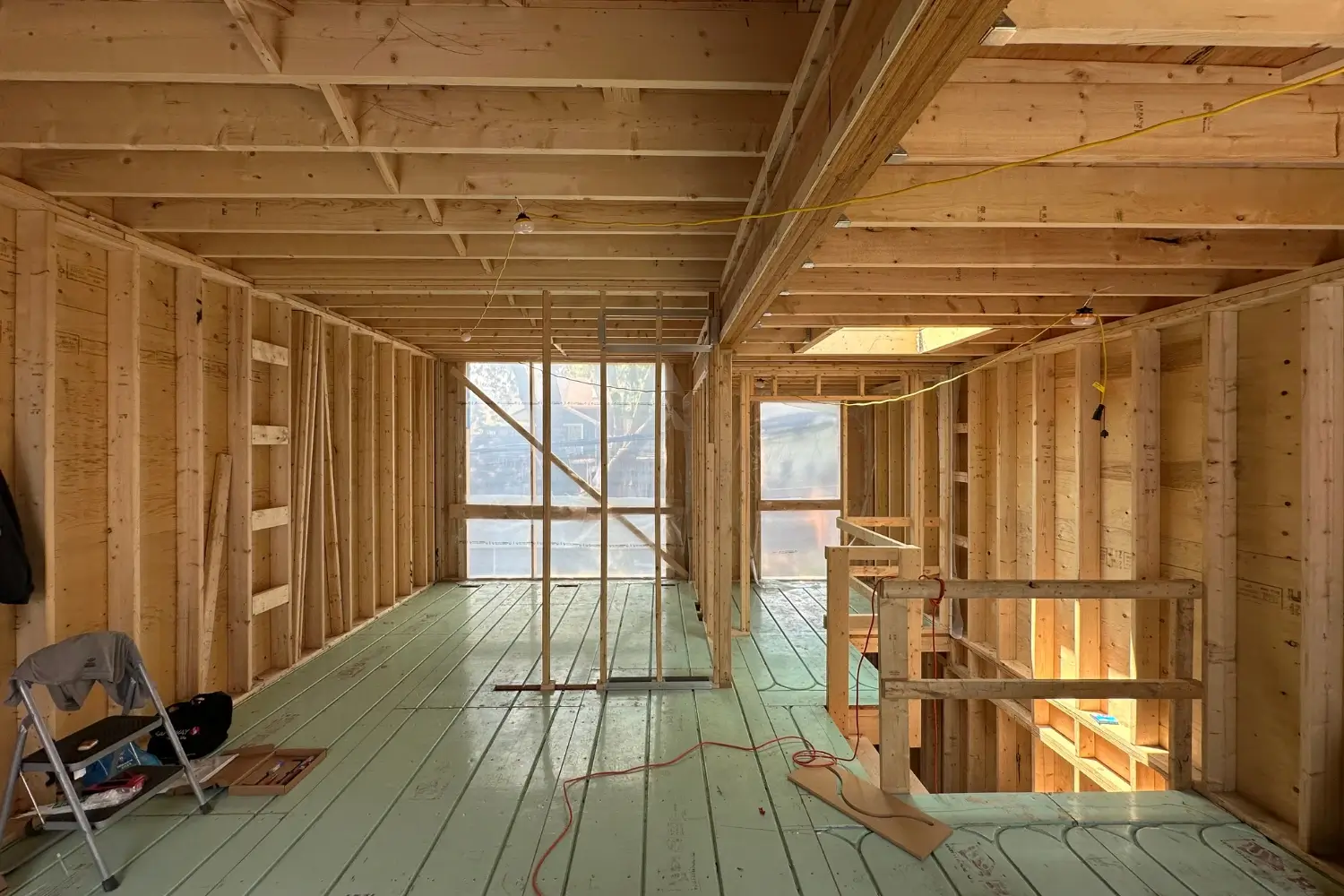
Changing the way you use a property might seem simple, like converting a basement into a rental unit or turning part of your home into a small office, but in Toronto, this can be a major permit red flag. The City treats “change of use” seriously. It often triggers different building code requirements, including fire safety, accessibility, and structural considerations.
Common Change-of-Use Triggers
- Converting residential space to commercial or office use
- Adding rental units (secondary suites or duplex conversions)
- Changing occupancy type (e.g., single-family to multi-family)
- Repurposing a space that triggers new mechanical, electrical, or fire safety requirements
Why This Happens
Even experienced homeowners and contractors can underestimate this. Take, for example, a homeowner in midtown Toronto who wanted to turn their detached garage into a small office for remote work. On the surface, it seemed harmless. But the City noticed it was technically a commercial space. Without proper permits, the application was rejected, and the homeowner was forced to either revert the space or apply for the correct change-of-use permit, costing both time and money.
How To Fix It
- Identify if your project changes the property’s use: Even small renovations can require permits if the occupancy type changes.
- Review the Ontario Building Code requirements for the new use: Fire separation, egress, accessibility, and structural loads often differ depending on the type of occupancy.
- Apply for the correct permits: Submit change-of-use applications alongside your construction drawings.
- Include all supporting documents: Updated mechanical, electrical, and structural drawings, as well as energy efficiency or fire safety documentation, may be required.
- Work with a licensed professional: Designers or architects experienced with Toronto’s building permits can anticipate the City’s requirements and ensure your submission is compliant from the start.
Pro Tip from Acadia Drafting
Even minor changes in how a space is used can cause a permit rejection if not addressed upfront. Planning ahead and consulting with experts like Acadia Drafting can turn a potential permit nightmare into a smooth approval process, saving both time and stress.
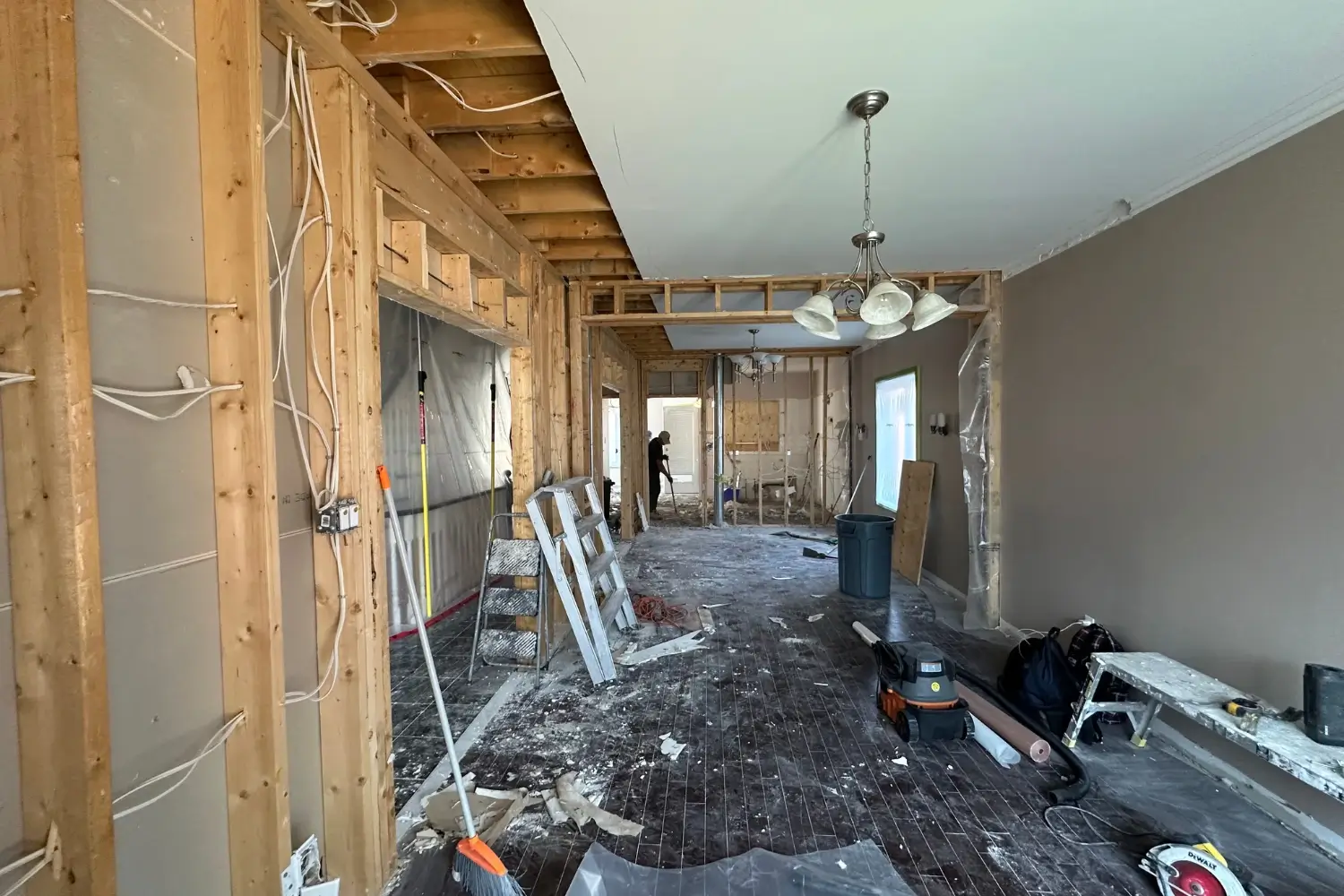
5. Unlicensed or Unqualified Designers
One of the most common – and often overlooked – reasons Toronto building permits are denied is who prepared the drawings. The City takes professional credentials seriously. If your plans are submitted by someone who isn’t licensed, certified, or otherwise recognized by the Ontario Association of Architects (OAA) or Professional Engineers Ontario (PEO), your application is at high risk of rejection.
Why This Happens
It’s not just a bureaucratic detail. Licensed professionals are legally accountable for the accuracy of their drawings. They ensure your project meets the Ontario Building Code, zoning regulations, and all safety standards. Without that seal of approval, the City cannot verify the reliability of your plans.
For example, a homeowner in Scarborough hired a freelance designer to prepare plans for a second-floor addition. The drawings were detailed and visually perfect, but the designer wasn’t BCIN-certified. The City rejected the permit immediately, forcing the homeowner to hire a licensed professional to redo and seal the entire package. This delayed the project by over six weeks and doubled the initial cost.
How To Fix It
- Always hire a licensed designer, architect, or engineer: Confirm their BCIN (Building Code Identification Number) or OAA/PEO credentials.
- Ensure proper seals are applied: All drawings should be signed, sealed, and dated according to Toronto’s ePlan requirements.
- Check qualifications for your specific project: Residential renovations, commercial builds, and industrial projects may require different credentials.
- Have a professional review all drawings before submission: This ensures compliance with code, zoning, and municipal expectations.
- Consider full-service drafting firms: Professionals like Acadia Drafting don’t just prepare drawings. We coordinate with the City, handle revisions, and prevent rejections caused by unqualified submissions.
Pro Tip from Acadia Drafting
Trying to cut corners by using unlicensed or inexperienced designers almost always ends up costing more time and money. A small upfront investment in a qualified professional can save weeks of frustration, multiple resubmissions, and the stress of a rejected permit.
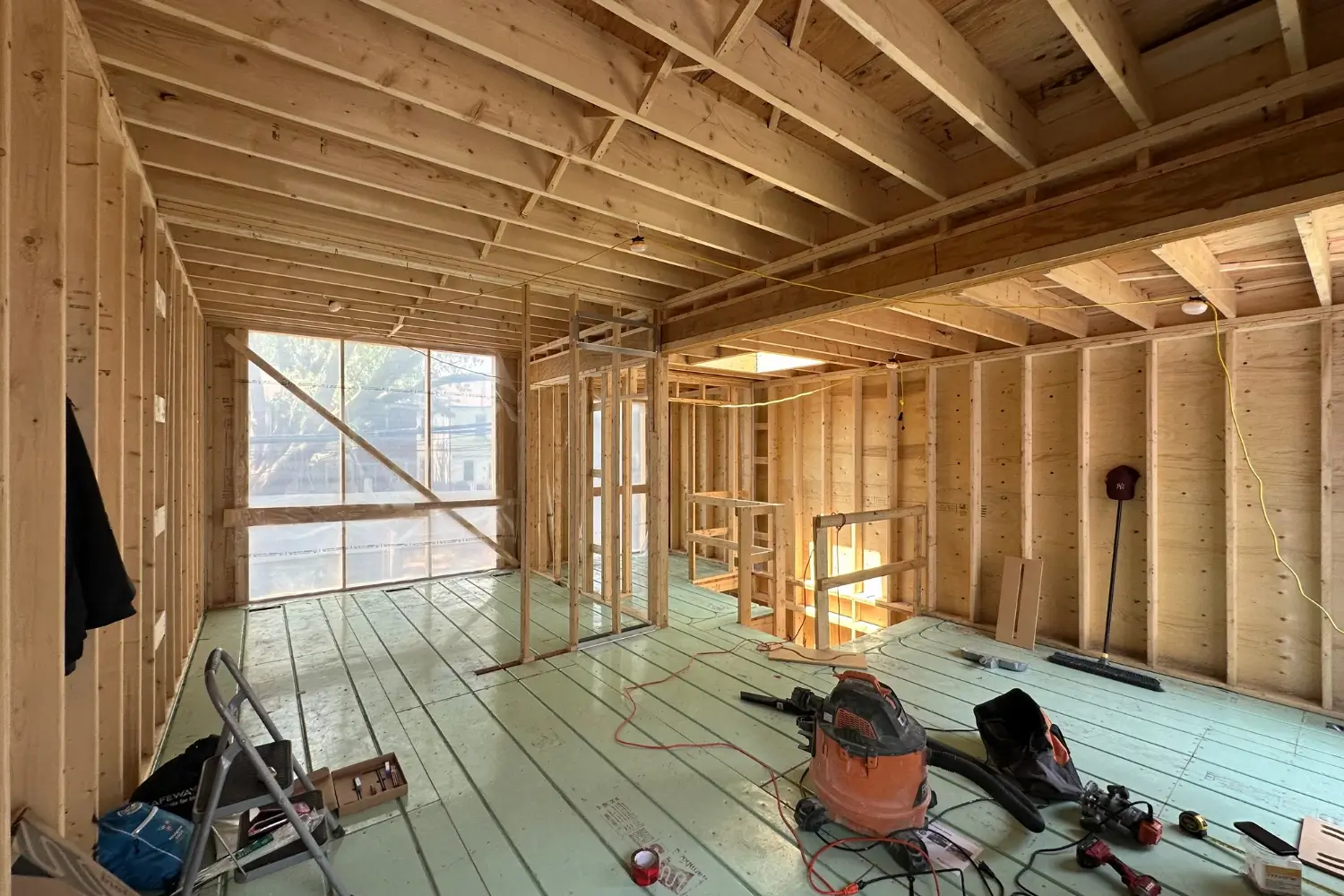
6. Violation of Historical or Conservation Rules
If your property falls within a heritage designation or a conservation district in Toronto, there are extra rules that come into play. The City doesn’t just check your drawings for structure and code compliance. They also evaluate whether your project respects the historical or cultural significance of the property. Ignoring these rules is a fast track to permit rejection.
Why This Happens
Take, for example, a homeowner in the Annex planning a front porch renovation. On their drawings, they had proposed replacing the original wood railing with a modern steel design. The rest of the plans were flawless, but the City flagged it immediately because the property is part of a heritage conservation district. The permit was denied until the design was revised to match the historical aesthetic. The homeowner ended up working with a heritage consultant to select materials and finishes that respected the district’s guidelines.
Another common situation arises in older neighbourhoods like Cabbagetown or Rosedale. Homeowners often underestimate the impact of exterior changes, like window replacements, roofing materials, or even paint colours. Even small deviations from approved styles or materials can trigger a denial.
How To Fix It
- Check your property’s status early: Toronto provides maps and databases showing which properties are designated heritage or fall within conservation districts. Knowing this upfront prevents surprises.
- Understand the specific restrictions: Some properties have strict rules about materials, colours, building height, or architectural features.
- Incorporate heritage guidelines into your design: Whether it’s matching window styles, rooflines, or façade materials, ensuring compliance with historical standards is essential.
- Work with experts: Heritage consultants, architects, and permit expediters familiar with Toronto’s conservation rules can anticipate issues and guide your design through approval without delays.
- Submit clear documentation: Include all relevant heritage approvals, material samples, and design notes as part of your application to avoid back-and-forth with the City.
Pro Tip from Acadia Drafting
Working in a heritage or conservation district doesn’t have to be stressful, but it requires foresight and attention to detail. Even experienced homeowners or contractors can be caught off guard if they assume that standard building rules apply universally. By weaving heritage compliance into your design from the start, you save time, avoid permit denials, and preserve the character of your property.
What To Do Next If Your Permit Was Rejected
Receiving a rejection notice from the Toronto Building can be stressful. It’s normal to feel a wave of panic when you see the email or letter in your inbox. But take a deep breath! A denial doesn’t mean the end of your project. It just means the City has flagged something that needs attention. The key is knowing exactly how to respond so you can get your permit back on track without losing time or money.
1. Carefully Review the Rejection Notice
The City of Toronto will provide a detailed explanation of why your permit was denied. This is your roadmap. Read it line by line and make notes. For example, one homeowner in North York thought their permit was rejected because of a minor dimension error. But when they reviewed the notice carefully, they realized the real issue was missing HVAC drawings. Identifying the exact problem prevents wasted time fixing the wrong thing.
2. Don’t Panic! Organize Your Response
It’s easy to feel overwhelmed, especially if multiple issues are listed. Start by making a checklist of all deficiencies cited by the City. Group them into categories: drawings, documentation, zoning, or professional certifications. This approach helps you tackle each issue systematically rather than scrambling.
3. Correct the Issues
Depending on the reason for rejection, you may need to:
- Revise drawings to fix inconsistencies, missing sections, or outdated code references
- Provide additional documentation, like property surveys, energy calculations, or mechanical schedules
- Adjust your design to meet zoning, heritage, or conservation rules
- Ensure all drawings are sealed, signed, and dated by a licensed professional
For instance, a Scarborough homeowner’s permit was rejected because their floor plans didn’t match the elevations, and the structural drawings lacked proper seals. By working with a licensed designer to fix both issues, they resubmitted a clean, complete package that was approved within two weeks.
4. Seek Professional Guidance
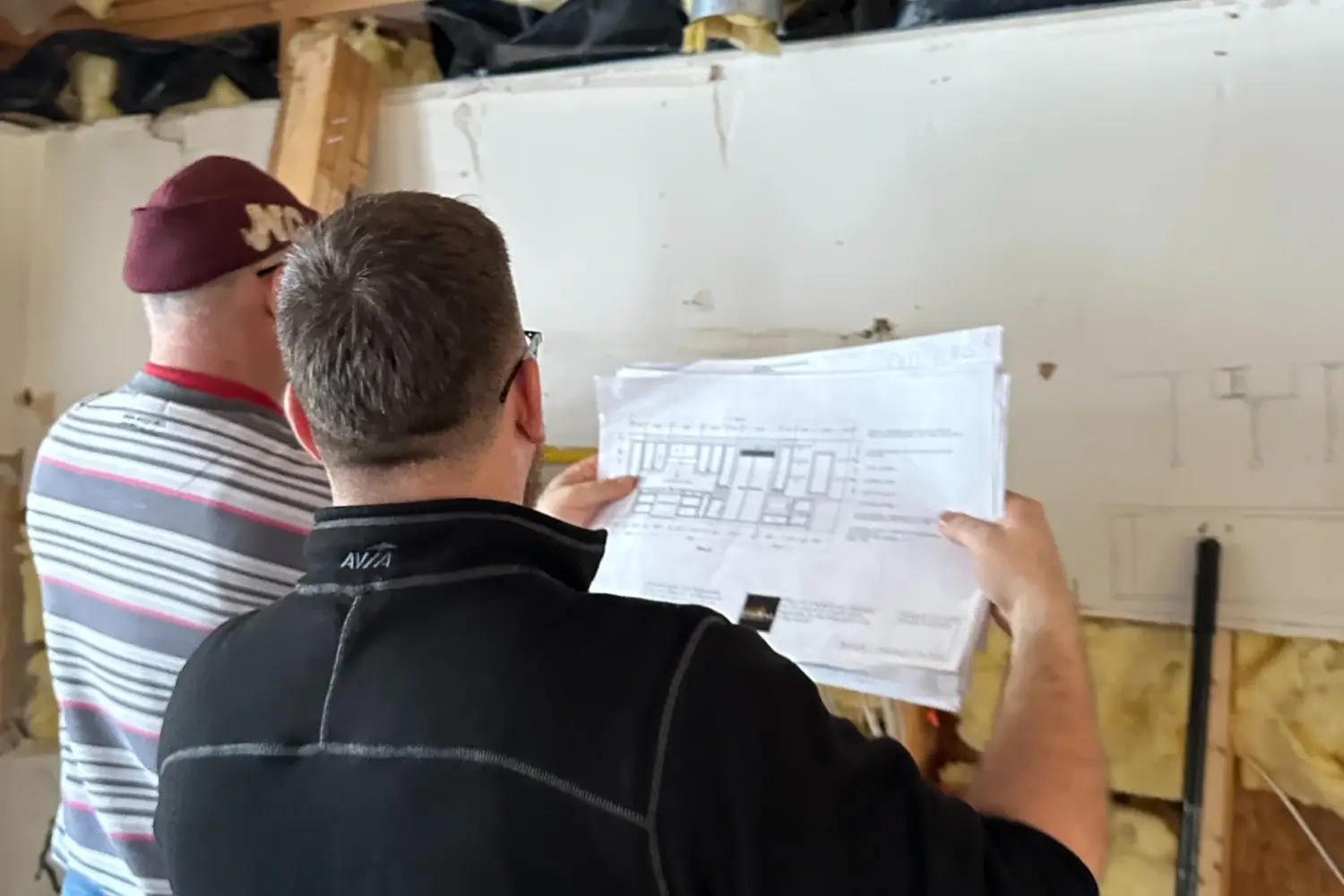
If the rejection feels complicated, don’t try to navigate it alone. Firms like Acadia Drafting specialize in Toronto permit resubmissions. They can review your rejection notice, revise drawings, prepare missing documentation, and communicate with the City on your behalf. Having an expert in your corner often reduces back-and-forth, ensures code compliance, and prevents repeated denials.
5. Resubmit the Application
Once corrections are made, carefully resubmit your application. Double-check that all files are uploaded properly in the ePlan portal, with correct naming conventions and formats. A clean submission signals to the City that the deficiencies have been fully addressed, increasing your chances of fast approval.
6. Consider Appeals or Variances if Necessary
Some rejections, especially zoning-related ones, may require a Minor Variance or an appeal to the Committee of Adjustment. If your property is affected by heritage restrictions, you may need additional approval from heritage staff. Consulting a professional familiar with these processes can guide you through these steps smoothly.
7. Track and Follow Up
After resubmission, monitor your permit status closely. Respond promptly to any further comments from City reviewers. For example, in a recent project, a North York renovation was initially rejected due to missing fire safety schedules. Once the corrected documents were uploaded, the homeowner stayed in close contact with the reviewer and the permit was approved in under a week. Avoiding weeks of potential delay.
For Assistance With Rejected Permits, Call Acadia Drafting
Permit denials in Toronto happen more often than most homeowners expect. The good news is, most rejections are fixable. By reviewing the rejection carefully, addressing each issue systematically, and working with qualified professionals, you can turn a stressful setback into a smooth resubmission.
At Acadia Drafting, we can assist with rejected Building Permits, guiding clients through every step of this process. From diagnosing the reason for denial, to correcting drawings, to preparing a flawless resubmission. Our goal is to save you time, reduce stress, and get your project approved as efficiently as possible. Remember, a permit rejection is not the end. It’s just a step in the process, and with the right guidance, you can move forward with confidence.