

Guide: Permit Requirements For Basement Renovations
Quick Answer: Do I need a permit to finish my basement?
Yes, if you are framing new walls, adding a bedroom, installing plumbing for a bathroom, enlarging a window, or creating a legal rental suite, you must obtain a building permit. However, strictly cosmetic updates like painting, replacing flooring, or swapping out existing light fixtures do not require a permit.
A basement renovation can transform an underused, dark space into a beautiful and highly valuable part of your home. However, failing to secure the proper basement renovation permits before swinging a hammer can lead to Stop Work orders, hefty municipal fines, and major issues when you try to sell the house.
But how do you know exactly which permits you need? This guide breaks down the permit requirements based on the specific type of renovation project you are undertaking.
The 3 Types of Essential Permits
Depending on your scope of work, your project may trigger one or all of the following permits:
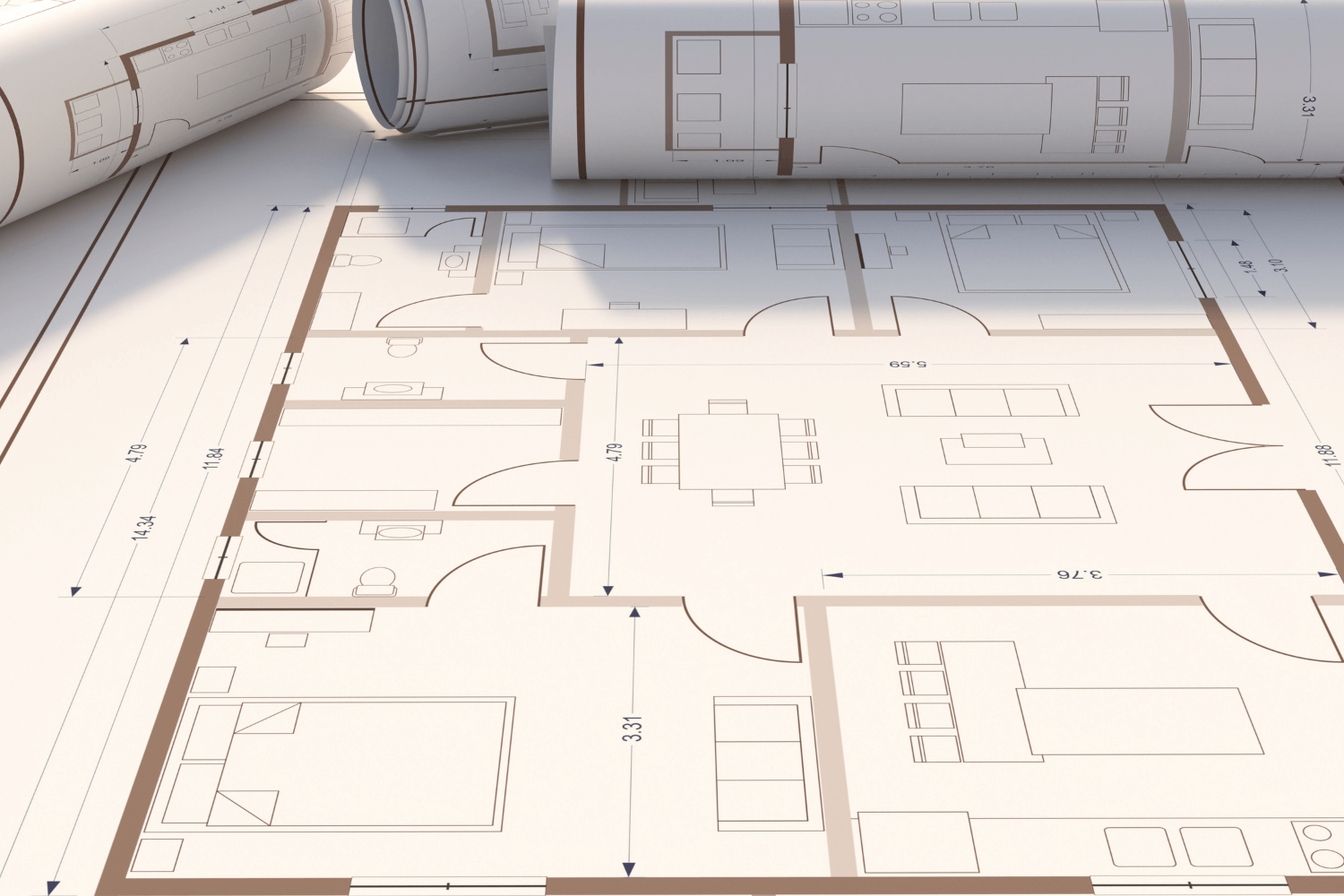
- Building Permit: Required for structural changes, framing, adding bedrooms, and ensuring egress safety. Requires architectural plans submitted to the municipality.
- Electrical Permit (ESA): Issued separately by the Electrical Safety Authority. Required anytime you run new wiring, add circuits, or install new pot lights.
- Plumbing Permit: Usually submitted alongside the Building Permit, this is required if you are adding new drains, water lines, or a backwater valve.
Need the exact code measurements?
If you know you need a permit and want to see the exact ceiling height, fire separation, and egress window dimensions required by the city, read our technical guide: Ontario Building Code Requirements for Finished Basements.
Project-by-Project Permit Triggers
Here is a breakdown of common basement upgrades and the permits they trigger:
1. Basic Finishing (Framing & Drywall)
If you are turning an unfinished concrete basement into a rec room by framing walls, insulating, and adding drywall, you are altering the living space.
Required Permit: Building Permit (for framing and insulation checks) and ESA Permit (for outlets).
2. Adding a Bathroom or Kitchen
Adding wet areas involves connecting to the home’s main water supply and sanitary sewer.
Required Permits: Building Permit, Plumbing Permit, and ESA Permit.
3. Lowering the Basement Floor (Underpinning)
If your basement ceiling is lower than the mandatory 6’5″ minimum, you must dig down to lower the floor. Because this involves undermining the existing foundation walls, it is highly structural.
Required Permit: Building Permit for Underpinning (Requires structural engineer stamped drawings).
4. Separate Entrance / Basement Walkout
Creating a new door where there was once solid concrete foundation requires excavating the exterior and cutting the foundation wall.
Required Permits: Building Permit for Basement Walkouts (Requires structural engineering and grading plans).
5. Removing Load-Bearing Walls
Opening up your basement by removing a steel column or load-bearing wall to create an open-concept space requires temporary shoring and permanent structural steel/wood beam replacements.
Required Permits: Building Permit to Remove Load-Bearing Walls.
6. Enlarging Windows (Adding Egress)
If you add a bedroom, you must enlarge the existing small basement window to meet egress safety standards, which involves cutting the concrete foundation.
Required Permit: Building Permit.
7. Waterproofing a Basement
Digging around the exterior foundation to install a waterproof membrane and weeping tile generally protects the home and does not alter the living space or structure.
Required Permits: Usually, no building permit is required (unless you are altering municipal drain connections), but always consult your municipality to be sure.
Basement Permit Approval Timelines
A basement renovation permit will vary in approval time based on the intricacy of the work and your municipality. Once your professional drafting team submits the architectural plans, municipal review typically takes 10 to 15 business days for the first response. To avoid delaying your renovation project, ensure you hire a certified BCIN designer to prepare your drawings accurately the first time.
Navigating the permits required for a basement renovation involves knowing exactly when to get them. Proper planning ensures a successful, safe, and fully compliant renovation project.